
Climate Restoration Basics
How to restore a climate that allows humanity to flourishWhat Is Climate Restoration?
Could we really restore a historically safe climate by 2050?
"Net Zero" alone can't get us there--because we would also have to remove a trillion tons of "legacy" CO2 that's been accumulating since 1750. The best bet is to follow Nature's lead. She's been removing CO2 for eons.
It’s important to do this by 2050, while Earth’s systems are still working well enough.
Why Climate Restoration?
Atmospheric CO2 is now 50% higher than pre-industrial levels.
Where Are We Now?
It’s one that has sustained humanity & nature long term.
What’s a Safe Climate?
Nature’s Prime CO2 Removal

What's the swiftest, most cost-effective way to safely remove tens of gigaton of CO2? The answer may surprise you: It's how Nature leads up to ice ages. And it involves iron dust.
Download the Iron Fertilizer Factsheet
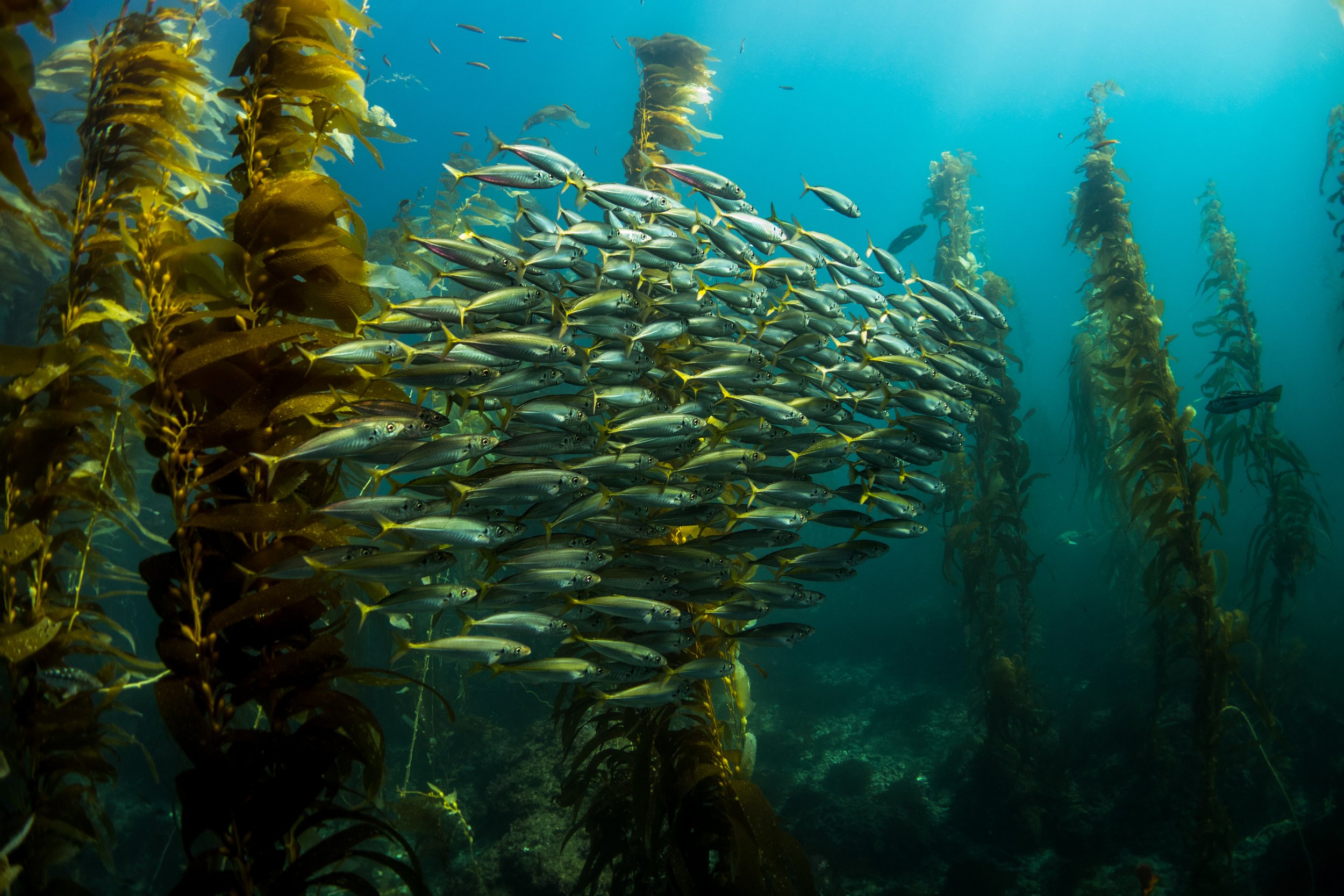
Nature boosts photosynthesis— in the ocean, which covers most of the planet.
How does Nature Remove CO2 on a Grand Scale?
Unlike other ocean nutrients, iron tends to sink.
Why Iron?
It’s so simple and effective that it can be financed by investment, with or without govt. funding.
Who Will Pay for OIF?
What’s the Matter with Methane?
As with CO2, reducing methane emissions is important--but not sufficient to keep us safe. Nature continuously oxidizes methane in the atmosphere, but can't now keep up. We can help her out by using the same process.
Download the Factsheet on Oxidizing Methane
Ton per ton, methane is a far more potent greenhouse gas than CO2.
Why Methane?
In 2021, 155 countries pledged to collectively reduce methane emissions by 30 percent by 2030.
What Are We Doing About Methane Now?
It’s one that has sustained humanity & nature long term.
What Else Can We Do to Lower Methane‘s Impact?